Is Solo Motherhood by Choice Right for Me? A Practical Decision Guide
Thinking about becoming a solo mother by choice? This practical guide explores emotional, practical, and relational questions to help you decide whether this path fits your life, with reflections from women who have already been there.

Written by
Karine
Published on
17 Mar 2026
Solo motherhood by choice is a real and increasingly common way to build a family. For some women, it is something they always knew they wanted. For others, it comes after years of imagining a different life, often one that included a partner. Both experiences are valid.
This path is neither a shortcut nor a failure to achieve something else. It is a proactive decision about what matters in your life. This guide is here to help you reflect, ask the right questions, and decide whether solo motherhood fits who you are and how you want to live.
What is a solo mother by choice?
A solo mother by choice is someone who decides to become a parent without a romantic partner. The key part of the definition is intention. This is not about being left unexpectedly to parent alone, but about actively choosing to do so. Solo mothers by choice build their families in different ways. Some use sperm donation through clinics, others through known or private donation. Some pursue fertility treatment, while others conceive through home insemination. The paths vary, but the common thread is that the decision to parent solo is made consciously, with an understanding of the responsibilities involved.
Being a solo mother by choice does not mean rejecting partnership forever. What defines this choice is not the absence of love or support, but the decision not to delay parenthood until a partner appears.
Your “why” and how it came to be
Sometimes, solo motherhood is a long-held intention. Other times, it is a decision shaped by time, circumstance, or changing expectations. Letting go of a hoped-for partnership can carry real emotion. The question is not whether this was your original plan, but whether it feels right for you now. One solo mother described it this way: “This was not how I imagined becoming a parent when I was younger. But once I stopped measuring my life against that old picture, I could see that this path still felt right for me.”
Some questions to sit with here:
Am I choosing solo motherhood because
I
want to parent, or because I feel external pressure to have a child?
When I imagine my life five or ten years from now, does this path feel like something I can own, even if it looks different from what I once expected?
Have I given myself space to acknowledge any grief about not having a partner, if that is part of my story?
It’s important not to erase those mixed feelings, but to allow them to exist alongside a genuine desire to become a parent.
Fertility, health, and timing
For many women, fertility plays a role in the timing of the decision around solo parenthood. Getting medical information can feel intimidating, but it can be an extremely useful place to start. A fertility check can provide insight into your options and likely timelines, ways to conceive, and if you should expect to need fertility treatments.
Some women find that having this information reduces anxiety and helps them plan more intentionally, whether that leads to trying to conceive soon, freezing eggs, or deciding to wait.
Questions to consider:
Do I have enough information about my fertility to feel grounded in my decision?
Would speaking to a specialist help me feel more informed, even if I am not ready to act yet?
The emotional reality of parenting solo
Parenting alone can bring a strong sense of autonomy. You make decisions based on your values, your routines, and what feels right for your family. There is no need to negotiate everyday choices or long-term plans with a partner. At the same time, the responsibility sits with you. There are fewer built-in breaks, and fewer opportunities to hand things over when you are tired or overwhelmed. Some solo mothers describe moments of loneliness, especially in the early years or during challenging phases. Before deciding, it can help to reflect on how you currently cope with stress and uncertainty.
You might ask yourself:
How do I usually respond when I am overwhelmed?
Am I comfortable asking for help, or do I tend to handle things on my own until I am exhausted?
What support systems do I already have in place, and which ones would I need to strengthen?
These questions are not about testing whether you are strong enough. They are about understanding what you might need and planning accordingly.
The practical side of everyday life
You do not need a flawless setup to become a good parent. Most parents, regardless of relationship status, figure things out as they go. Still, having a realistic view of your practical situation can make the transition easier.
Consider how stable your work and income are, and whether they can support basic needs on one income. Think about your housing and whether it feels workable for the next few years. Look at your daily routines and how flexible they are when plans change, which they often do with children.
If some areas feel shaky, that does not mean you should not move forward. It may simply mean that part of your decision includes taking a bit more time to prepare.
Questions that may help:
If my income dropped temporarily, how would I cope?
What parts of daily life would feel most challenging to manage alone?
Are there practical changes I could make now to reduce future stress?
Support networks and chosen community
Although the parenting role is solo, most solo mothers rely on others in meaningful ways. Support can come from family, friends, neighbors, childcare providers, or online communities of solo or queer parents.
It can be helpful to look honestly at who shows up in practice, not just in theory.
Ask yourself:
Who do I trust to help in concrete ways, such as childcare, emotional support, or emergencies?
How comfortable am I with asking for that help?
Would I benefit from connecting with other solo mothers who understand this path?
Building or strengthening a support network can be an active part of choosing solo motherhood, rather than something that happens later by chance.
Moving ahead: Choosing a known or private donor versus a sperm bank donor
For many solo mothers by choice, deciding how to conceive is as significant as deciding to parent solo in the first place. One of the key choices is whether to use a sperm bank donor or a known or private donor. Each option comes with different practical, emotional, and legal considerations.
Sperm bank donors are typically anonymous or identity-release donors selected through a clinic or bank. This route often feels structured and safe. Medical screening, storage, and logistics are handled by medical professionals, which can reduce decision-making in the early stages. For some women, this sense of containment and distance feels reassuring. At the same time, sperm banks can be expensive, and the donor is often someone your child will not be able to know until adulthood, if at all. Some solo mothers feel comfortable with this, while others find themselves wanting more information about the donor, transparency, or the possibility of future contact for their child.
Known or private donation offers a different dynamic. This may involve someone you already know, or someone you meet specifically as a donor. For some solo mothers, this route allows for more openness, flexibility, and the chance to build a relationship with the donor over time. It can also make it easier to answer future questions from a child about where they come from.
This option usually requires more responsibility from the parent. Medical testing, legal agreements, and clear communication become essential, as these elements are not automatically handled by a clinic. The emotional complexity can also be higher, especially if expectations are not clearly discussed and documented early on.
When reflecting on these options, it can help to ask yourself:
How important is it to me that my child can know their donor and ask them questions?
Do I feel comfortable navigating legal and medical steps with professional support?
How platforms like Y factor can support solo mothers by choice
Y factor was created because many future parents want an alternative to both anonymous banks and unregulated online forums. We offer a transparent, inclusive, and affordable path to parenthood. On Y factor's app, you can create a profile that reflects your values and expectations, including the type of donor relationship you want. Our filters help you focus on alignment before you ever start a conversation.
Y factor does not replace clinics or lawyers. We encourage you to seek medical and legal advice while offering a space that recognizes diverse family structures. Support and structure can help you move forward at your own pace with clarity about the family you want to build.
Latest
From the blog
The latest industry news, interviews and resources.
Insights
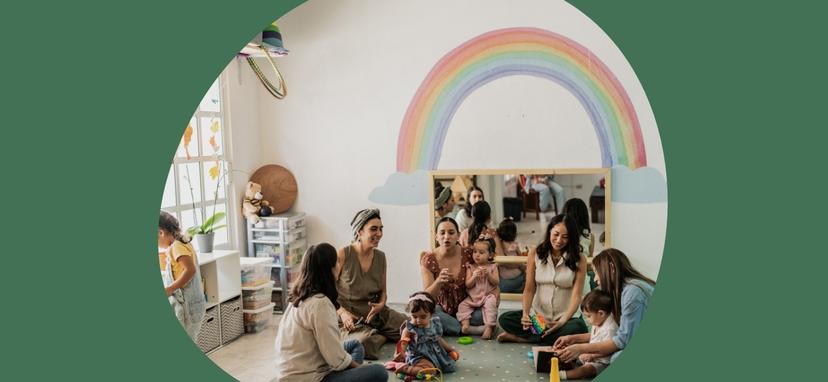
Building Your Support Network as a Solo Mother by Choice: Friends, Family and Online Communities

How to build a practical and emotional support network across friends, family, and online communities.
Karine
10 Feb 2026
Insights
On Becoming a Solo Mother by Choice
Women around the world are redefining family, navigating challenges, and embracing the journey to parenthood on their own terms.
Karine
18 Mar 2025

Grow families, your way
© 2026 Y factor. All rights reserved.


