What Online DNA Testing Means for Private Sperm Donation - Guest Blog
What does online DNA testing mean for private sperm donation? Professor Lucy Frith, Professor of Bioethics and Health Research at the University of Manchester, explores anonymity, donor siblings, donor identification, and the implications of consumer DNA testing for donors and future parents.
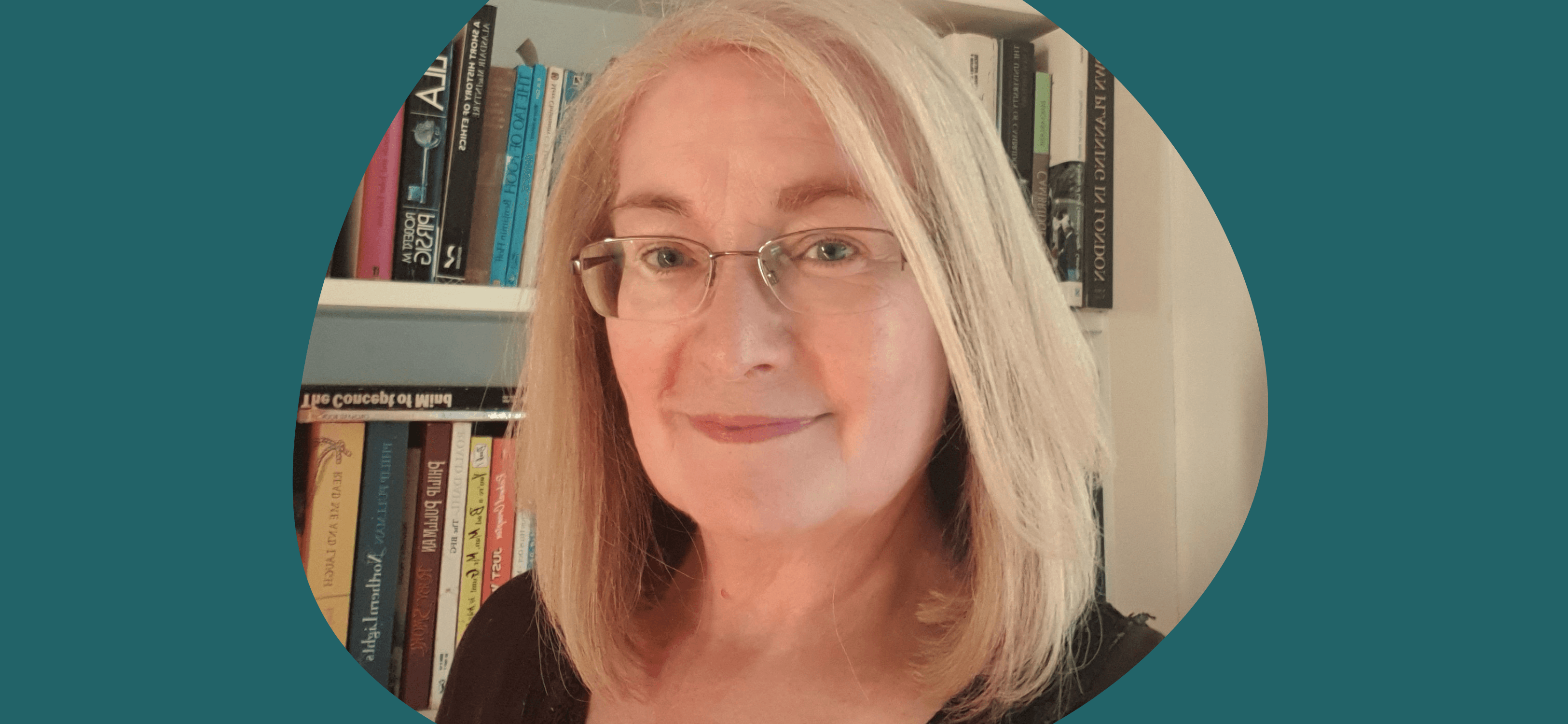
Written by
Professor Lucy Frith
Published on
08 Jul 2026
Guest blog by Professor Lucy Frith, University of Manchester, Bioethics & Health Research
Inexpensive, widely available DNA testing kits, the kind sold by companies such as Ancestry and 23andMe, have quietly rewritten the rules of donor conception. For anyone considering private donation, whether as a donor or a future parent, it is important to understand the implications of online DNA testing.
I led the ConnecteDNA project, a UK research study into how online DNA testing is used by donor-conceived people, donors, and parents through donor conception. We found that these tests are a powerful tool, but their results, and their consequences, can sometimes be unexpected. Here are a few things worth thinking about if you are planning to explore online DNA testing.
Anonymity can no longer be promised
This is the single most important point, and it applies regardless of what any donor and recipient agree between themselves. Even where a donation is intended to be anonymous, a donor-conceived person can often identify their donor through a consumer DNA database and a little internet research. In practice, this means that ‘anonymous’ private donation is largely a thing of the past. Also, donor siblings can now be found more easily. Crucially, neither the donor nor the donor-conceived person needs to have taken a test themselves. If a cousin, a sibling, or a more distant relative has uploaded their DNA, and millions of people now have, the genetic matching algorithms can do the rest.
Openness about the donor, not just the donation
Many of the people using private sperm donation are same-sex female couples and single women by choice. For these families, there is usually no question of whether a child will know they are donor-conceived. This openness is a real strength, and one of the ways private and known donation can work well. What online DNA testing changes for these families is how early, a child can find the donor and any donor siblings. A curious teenager with a saliva kit can identify a donor, or be matched with donor siblings, before a parent has had the chance to think about whether or when that might happen. The openness that matters most here is openness about the donor: being ready to talk about who he is, what is known about him, whether contact is possible, and the fact that there may be donor siblings out there. The families who manage this best tend to treat it as ongoing, age-appropriate conversations, so that if there is a DNA match, this becomes part of a story the child already knows.
When should you test a child?
One question with no settled answer is how old a child should be before they are tested. The DNA testing companies set their own age limits, but in practice a parent can set up a profile and test a child at almost any age. There are arguments on both sides. Testing early can let a child grow up knowing their donor siblings, forming those bonds from a young age. Waiting lets the child decide for themselves, once they are old enough to understand what the implications of matching might be and to consent to sharing their genetic data. Neither path is better than the other, but each closes off options in ways that are hard to undo and contact with a donor or donor siblings can sometimes be difficult to navigate while a child is still young.
In our research, parents saw this as a real dilemma, with no consensus on when is the right age to test a child.
A match is a beginning, not an ending
It's easy to imagine that finding a donor or a donor sibling is the resolution of a search. In reality, a match is where the work starts. Finding someone does not guarantee a relationship. The person you find may not want contact or may want it on very different terms than you do. Reactions can differ sharply even within the same family, one sibling may be delighted, another deeply unsettled. It's worth both donors and parents talking through, early on, what kind of openness and contact everyone is genuinely comfortable with. Donors arranging donation directly often have more control over how many people they help, but they should still think honestly about what they would want years from now. Contact may be made at any time, with hopes and expectations the donor never anticipated. For donor-conceived people, the discovery of donor siblings, sometimes more than expected, can be overwhelming.
Your DNA is never only yours
It is important to remember that a genetic test exposes information about people who never agreed to be tested, the donor and recipient’s wider family for example. People can find themselves cast, unexpectedly, in the role of gatekeeper: learning that someone is donor-conceived before they do and facing the difficult decision about whether and how to tell them. For private donors in particular, this is worth thinking about. A donation made today touches not only the people you help, but your own children, your parents, and relatives you have never met, any of whom might appear as a match, or be matched to, your offspring through donation. Discussing your decision to donate with your partner and thinking about how and when you might tell your own children if you have them, is part of donating responsibly.
Before sending off a sample
If you are thinking about taking a test — or testing on behalf of a child — a few practical steps are worth taking:
Be clear about what you hope to find and prepare for not finding it. Close matches aren't guaranteed, and when they appear it may be weeks, months, or years later. Think about what support you might want to manage both matching with people and not finding any matches.
Read the privacy policy first. You're handing genetic data to a commercial company. Check what they do with it, whether it's shared, what happens if the company is sold, and how to request deletion. Bear in mind that once a match is made, another user may already have saved or screenshotted your details.
Talk it through with someone you trust before testing, especially on a child's behalf. There are support organisations that can help you find information (such as Donor Conceived UK and the Donor Conception Network).
In conclusion
Online DNA testing needs to be approached with curiosity and caution. Read all you can about it and be realistic and clear on your expectations. Make sure you talk to everyone who might be immediately affected and never feel rushed to do something you are not sure about.
The ConnecteDNA project has produced leaflets on donor conception and DNA Testing and they are available here.
Latest
From the blog
The latest industry news, interviews and resources.
Insights
Donor Anonymity and its Impact on Donor-Conceived Children

How donor anonymity, open‑ID and known donors shape identity, information and family stories for solo mums and LGBTQ+ parents
Anonymous
26 Mar 2026
Insights
Half‑siblings and donor families: how to think about future connections when you match with a donor who is helping multiple families
Considering a private sperm donor who helps multiple families? Explore donor sibling relationships, future contact, and what to discuss early.
Anonymous
10 Jun 2026

Grow families, your way
© 2026 Y factor. All rights reserved.


